

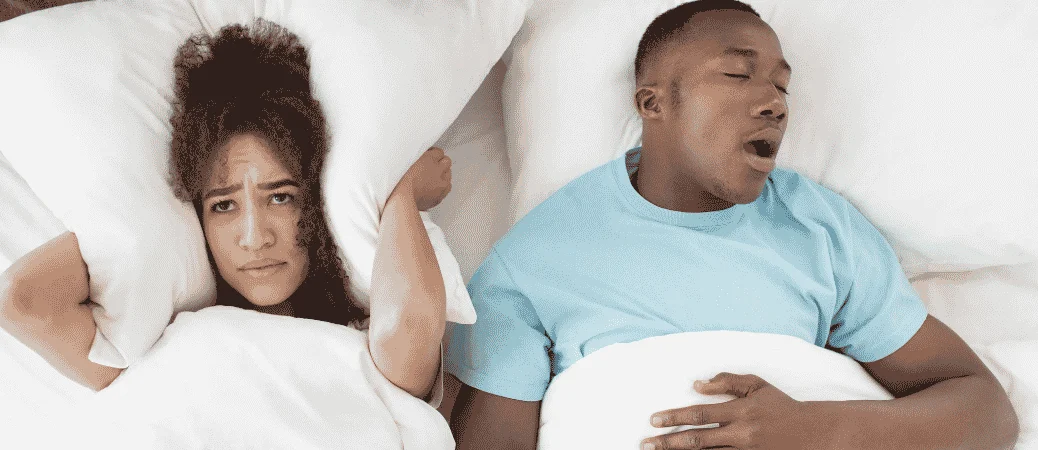
If your partner keeps mentioning your snoring, it might feel like a small annoyance. But snoring and sleep apnea signs can point to something bigger going on with your sleep and health, not just a bad habit you can ignore.
Understanding why you snore can help you and your partner get better rest and feel closer as a couple.
Snoring happens when air has trouble moving freely through your nose and throat while you sleep. This can be caused by things like your sleep position, allergies, weight, or alcohol use. But sometimes, snoring is a sign of a more serious problem called sleep apnea, which affects your breathing and overall health.
If your bed partner is losing sleep because of your snoring, it can affect your relationship too. Talking openly about it, instead of brushing it off, can help you find solutions together.
If these signs sound familiar, learning more about sleep apnea treatment can be a helpful next step.
Key Takeaways
- Snoring can affect your partner’s sleep and your relationship, not just your own rest.
- Loud or frequent snoring may be a sign of sleep apnea, which needs medical attention.
- Talking with your partner and taking simple steps can lead to better sleep for both of you.
Table of Content
- What Your Partner May Notice While You Sleep
- Why Snoring Happens
- When Snoring Could Signal Sleep Apnea
- How Snoring Affects Both Partners
- Practical Next Steps for Better Sleep
- Frequently Asked Questions
What Your Partner May Notice While You Sleep
Your partner spends hours next to you at night, so they often pick up on small changes before you do. From loud snoring to strange pauses in your breathing, these signs can point to something more than a bad habit.
Loud, Frequent, or Chronic Snoring
If your partner mentions your snoring more than once, it might be worth paying attention. Occasional snoring is common, but loud snoring that happens almost every night is different.
Chronic snoring can mean the airway is partly blocked as you breathe. This can happen because of your sleep position, nasal congestion, or the shape of your throat.
Your partner may notice patterns, like snoring that gets louder when you sleep on your back or after drinking alcohol. They might also say the sound seems to shake the room or wakes them up. Tracking these details can help you figure out if the snoring is a simple habit or a sign of a sleep disorder.
Pauses in Breathing, Gasping, or Choking During Sleep
Some of the most important signs happen when your partner notices you stop breathing for a few seconds. These pauses in breathing can be followed by gasping or choking during sleep, which may startle your partner awake.
This pattern is one of the clearest warning signs of obstructive sleep apnea. It happens when your throat muscles relax too much and block your airway.
Your partner might describe it as silence, then a loud snort or gasp as your body works to catch its breath. If this happens often, it is worth mentioning to a doctor. As one resource notes, snoring punctuated by gasping or choking sounds is a red flag that should not be ignored.
Morning Symptoms and Daytime Changes
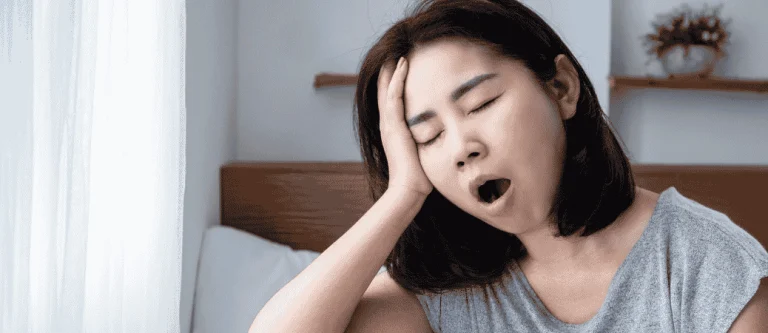
Your partner may also notice changes in how you feel and act after a poor night’s sleep. Common signs include daytime sleepiness, daytime fatigue, and a morning headache that shows up almost every day.
These symptoms often happen because interrupted breathing during the night prevents deep, restful sleep. Your body works harder to get oxygen, which leaves you feeling drained the next day.
You might also notice mood changes or irritability, especially if you feel exhausted but do not know why. Your partner may point out that you seem more short-tempered or foggy during the day. If these signs continue, they could be linked to a sleep disorder like sleep apnea, as described in sleep apnea’s link to heart trouble.
Why Snoring Happens
Snoring happens because your airway narrows while you sleep, and several factors can make that narrowing worse. Your throat muscles, nose, sleep position, and even your habits all play a part.
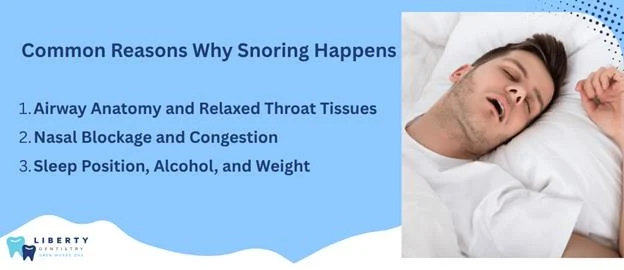
Airway Anatomy and Relaxed Throat Tissues
When you drift into deep sleep, the muscles in your throat relax. This includes your soft palate, uvula, tonsils, and adenoids.
If these tissues relax too much, they sag and partially block your airway. Air has to push through a smaller space, which causes the tissue to vibrate. That vibration is what creates the snoring sound.
Some people are more likely to snore because of how their airway obstruction and jaw relaxation naturally works. A low, thick soft palate or a longer uvula can make the airway even tighter. Large tonsils or adenoids, which are common in kids, can also crowd the space and make snoring louder.
Nasal Blockage and Congestion
Your nasal passages need to stay open for smooth breathing. When they get blocked, you often end up breathing through your mouth instead, which makes snoring more likely.
A few things can block your nose. A deviated septum, which is when the wall between your nostrils is crooked, can limit airflow on one side. Allergies and a stuffy nose from a cold can do the same thing.
Nasal congestion is one of the most common and overlooked reasons behind loud snoring. When your nose is blocked, your body works harder to pull air in, which pulls throat tissue in too. That extra effort adds to the noise.
Sleep Position, Alcohol, and Weight
How you sleep and what you do before bed can also affect how much you snore. Your sleep position matters a lot. Sleeping on your back lets gravity pull your tongue and soft tissues backward, which narrows your airway.
Alcohol consumption before bed relaxes your throat muscles even more than normal sleep does. This makes it easier for tissue to sag and block airflow.
Extra body weight is another factor. Excess weight, especially around the neck, adds pressure on your airway. People with obesity or recent weight gain often notice their snoring gets worse over time.
When Snoring Could Signal Sleep Apnea
Not all snoring is the same, and knowing the difference can help you figure out if you need to see a doctor. Some snoring is harmless, but other types point to a sleep disorder that can affect your health over time.
The Difference Between Primary Snoring and Obstructive Sleep Apnea
Primary snoring is just noise. It happens when air moves past relaxed tissue in your throat, but it does not stop your breathing or wake you up.
Obstructive sleep apnea, or OSA, is different. With OSA, your airway becomes partly or fully blocked while you sleep. This causes you to stop breathing for short periods, sometimes many times a night.
You may not notice these pauses, but your partner might hear choking or gasping sounds. Your brain senses the drop in oxygen and wakes you up briefly to reopen your airway. This can happen so often that your body never gets the deep, restful sleep it needs.
Health Risks of Untreated Sleep Apnea
Untreated sleep apnea can affect more than just how tired you feel. It puts extra strain on your heart and body every night.
Over time, this can raise your risk for serious health problems. Here are some of the most common risks linked to sleep apnea:
- High blood pressure: Frequent oxygen drops can force your blood pressure up.
- Heart disease and cardiovascular disease: Your heart works harder when you stop breathing repeatedly at night.
- Stroke: Reduced oxygen flow can damage blood vessels over time.
- Diabetes: Poor sleep can affect how your body manages blood sugar.
- Depression and anxiety: Constant sleep loss can affect your mood and mental health.
Severe sleep apnea that goes untreated can lower your quality of life and make daily tasks harder. Getting treatment can help improve your overall health and lower these risks.
When to Contact a Sleep Specialist
If your partner tells you that you snore loudly, gasp, or stop breathing at night, it may be time to talk to a sleep specialist. You should also reach out if you feel very tired during the day, even after a full night’s sleep.
A sleep specialist can review your symptoms and may recommend a sleep study. This test tracks your breathing, oxygen levels, and sleep patterns overnight.
Sleep medicine experts can diagnose different sleep disorders and create a treatment plan that fits your needs. Catching sleep apnea early can help protect your heart, your energy levels, and your long-term health. If you are unsure whether your snoring is a warning sign, talking to your doctor is a good first step.
How Snoring Affects Both Partners
Snoring rarely stays a solo problem. It touches sleep quality, mood, and even how close you feel to your partner, whether you’re the one snoring or the one lying awake next to it.
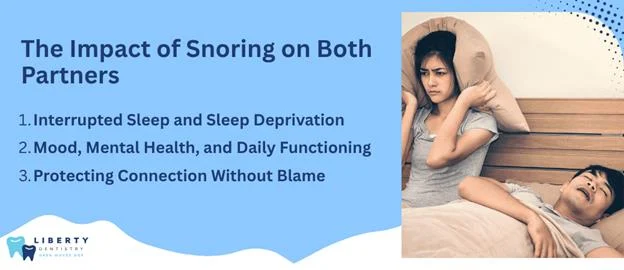
Interrupted Sleep and Sleep Deprivation
When you’re sleeping with a snorer, your body doesn’t get the chance to move through full sleep cycles. Every rumble or pause pulls you closer to waking, even if you don’t fully wake up.
This is called sleep fragmentation, and it can be just as damaging as not sleeping enough hours. Your brain and body need long stretches of uninterrupted rest to reach deep, restorative sleep.
Without it, you build up sleep deprivation over time. This can leave both people in the relationship groggy, since a snoring bed partner often isn’t sleeping well either, especially if snoring signals a breathing issue like sleep apnea.
Mood, Mental Health, and Daily Functioning
Poor sleep doesn’t just make you tired. It changes how you think, feel, and act during the day.
Daytime sleepiness can make it hard to focus at work or stay patient with your kids. Many people also notice their mood takes a hit, showing up as irritability, short tempers, or feeling emotionally drained.
Over time, this can affect mental health, raising the risk of anxiety or low mood in the partner who isn’t sleeping well. It’s a cycle: bad sleep leads to a worse mood, and a worse mood can lead to more tension between partners.
Protecting Connection Without Blame
Snoring can quietly create relationship problems if it’s ignored for too long. Exhaustion makes it harder to feel empathy or compassion for each other, even when neither person is at fault.
The snorer isn’t choosing to keep you up, and the tired partner isn’t choosing to feel resentful. Recognizing this can help you approach the issue as a team instead of placing blame.
Open, honest communication matters here. Talking calmly about how the snoring affects you, rather than snapping about it at 3 a.m., helps you find solutions together.
Left unaddressed, chronic snoring has been linked to serious relationship strain and, in some cases, has even contributed to thoughts of separation or divorce. Treating it early protects both your sleep and your bond.
Practical Next Steps for Better Sleep
Once you know your snoring might mean something more, a few clear steps can help you find out what’s going on and start feeling better. From tracking your symptoms to trying new sleep gear, here’s how to move forward.
Track Symptoms and Arrange Sleep Testing
Start by keeping a simple log of your sleep. Write down how tired you feel each morning, whether you wake up with headaches, and if your partner notices pauses in your breathing or gasping sounds.
This information helps a doctor decide what kind of testing you need. You have a few options here.
- An at-home sleep test lets you check your breathing patterns in your own bed
- A home sleep study kit usually includes a small device you wear overnight
- A traditional sleep study at a sleep lab or sleep clinic gives the most detailed results
Your doctor can help you figure out which option fits your situation. If results point to sleep apnea, you’ll have a clear next step for treatment.
Try Targeted Lifestyle and Comfort Measures

Alt-text: try-targeted-lifestyle-and-comfort-measures
Small changes can make a real difference in how you sleep and breathe at night. Weight loss and regular exercise can reduce the extra tissue around your throat that contributes to snoring.
Sleeping on your side instead of your back also helps keep your airway open. Beyond that, try these tools:
- Nasal strips to open up your nostrils and ease airflow
- Earplugs for your partner if the noise is the main issue
- A white noise machine to help mask sound and improve sleep for both of you
- An adjustable bed that lets you raise your head slightly, which can reduce airway blockage
These steps won’t fix every case, but they’re a good starting point.
Consider Medical Treatments and Flexible Sleep Arrangements
If lifestyle changes aren’t enough, your doctor may suggest a specific snoring treatment or sleep apnea treatment. A CPAP machine, which stands for continuous positive airway pressure, keeps your airway open using steady air pressure through a mask.
Some people prefer an oral appliance or oral device instead. These are worn in your mouth at night and work by repositioning your jaw or tongue to keep your airway clear.
At Liberty Dentistry, Dr. Greg Moses can help you understand whether an oral appliance may be a comfortable option if snoring and sleep apnea signs are affecting your sleep.
While you sort out treatment, it’s okay to consider separate bedrooms for a while. Sleeping apart temporarily isn’t a failure. Many couples try sleeping in separate bedrooms during this process, and a sleep divorce can actually protect both your sleep and your relationship until things improve.
Frequently Asked Questions
Snoring raises a lot of questions, especially when it changes or starts to affect your sleep and your relationship. Here are answers to some common questions about why snoring happens, what it might mean, and how you and your partner can handle it together.
Why is my partner snoring more than usual?
A few things can make snoring worse over time. Weight gain, drinking alcohol before bed, and sleeping on your back are common triggers.
Stuffy noses from allergies or a cold can also make snoring louder. If your partner’s snoring has changed a lot, it’s worth paying attention to when and how it happens.
When can snoring be a sign of a serious health problem?
Loud, constant snoring paired with gasping, choking, or pauses in breathing can point to sleep apnea. This condition happens when the airway gets blocked during sleep.
Daytime tiredness is another red flag to watch for. If your partner feels exhausted even after a full night’s sleep, it’s a good idea to talk to a doctor.
How can I sleep better when my partner snores loudly?
Earplugs or a white noise machine can help block out the sound. You could also try going to bed a bit earlier so you’re already asleep before the snoring starts.
Some couples find that sleeping in separate rooms sometimes works better for both people. There’s no single fix that works for everyone, so it helps to try a few options.
What sleeping position can help reduce snoring?
Sleeping on your side instead of your back can make a big difference. When you’re on your back, gravity pulls the tongue and soft tissue toward the throat, which can block airflow.
A body pillow or a wedge pillow can help keep your partner on their side through the night. Some people even attach a tennis ball to the back of their pajamas as a simple reminder to stay off their back.
How can I talk to my partner about their snoring without hurting their feelings?
Pick a calm moment, not right after a bad night’s sleep, to bring it up. Focus on how you want to help, not on blaming them for the noise.
You can mention that snoring is common and treatable, so it doesn’t feel like a personal flaw. Framing it as a shared health concern instead of a complaint can make the conversation feel less tense.
What are safe ways to help someone stop snoring at home?
Losing extra weight, cutting back on alcohol, and avoiding sleeping pills before bed can all help. Nasal strips or nasal sprays may also ease snoring caused by a blocked or narrow nose.
A humidifier can add moisture to the air, which sometimes reduces throat irritation that leads to snoring. If home changes don’t help after a few weeks, it may be time to ask a doctor about other treatment options.