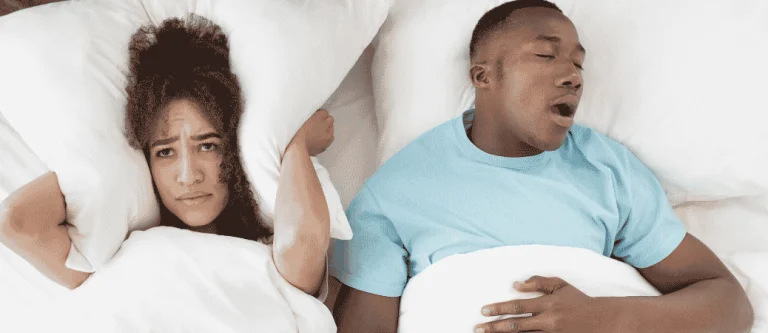



You go to bed at a reasonable hour. You get seven or eight hours. And you still wake up drained, drag through the afternoon, and reach for a third cup of coffee before lunch.
If you have been searching “tired after sleeping all day sleep apnea,” that kind of fatigue may be a sign that your sleep quality is poor, even when your sleep time looks normal.
Sometimes the reason sits in your mouth. Tooth pain, jaw tension, gum inflammation, or a breathing problem at night can break up your sleep so quietly that you never notice it happening.
If you are tired all day even after sleeping, your dentist may be able to help spot clues, but a full answer often takes your medical team too.
A dentist sees worn enamel, a scalloped tongue, and a small airway. A physician runs the bloodwork and orders the sleep study. Together they cover more ground than either can alone.
You do not have to figure this out alone. Below, you will learn how to tell fatigue from sleepiness, what oral problems can quietly interrupt rest, which health conditions deserve a doctor’s attention, and what to bring to your next appointment.
Key Takeaways
- Feeling tired despite enough hours in bed usually points to sleep quality, not sleep length.
- Tooth pain, jaw tension, and nighttime breathing trouble can fragment your rest without waking you fully.
- Persistent low energy deserves a medical evaluation, since thyroid problems, low iron, sleep apnea, and mood conditions all share the same symptom.
Why Enough Sleep Can Still Leave You Exhausted
Hours in bed and restorative sleep are two different things.
You can log a full eight hours and still miss the deep sleep and REM sleep your brain and body need, which leaves you waking up drained with brain fog and low energy that coffee never quite fixes.
Fatigue vs. Excessive Daytime Sleepiness: What Is the Difference?
Fatigue is heaviness. Your arms feel weighted, your motivation is gone, and even easy tasks feel like work, but you could not nap if you tried.
Excessive daytime sleepiness is different. You fight to stay awake at your desk, in meetings, or at a red light.
Many experts treat excessive sleepiness as distinct from fatigue, though plenty of people have both. Research points to excessive sleepiness affecting up to 25% of the population.
Which one you have matters to your care team. Sleepiness points more strongly toward a sleep disorder like sleep apnea, narcolepsy, or idiopathic hypersomnia.
Fatigue opens the door wider to anemia, thyroid issues, and mood conditions.
Why Sleep Quality Matters as Much as Sleep Duration
Sleep quality describes how smoothly you move through sleep cycles. People who do not progress smoothly through those cycles may fail to get enough deep sleep or REM sleep and wake up unrefreshed even after the recommended number of hours.
Think of it like a phone charger with a loose connection. The phone sat on the charger all night. It still reads 40% in the morning.
How Fragmented Sleep Interrupts Deep Sleep and REM Sleep
Fragmented sleep means your night gets chopped into pieces by brief awakenings called micro-arousals. These last a few seconds, and you almost never remember them.
The problem is what they interrupt. Deep sleep supports physical repair, and REM supports memory and mood. Both build across the night in longer stretches, so repeated micro-arousals keep resetting the clock.
Pain, snoring, a partner’s movement, room temperature, and a full bladder all cause micro-arousals.
Can Sleep Debt Persist After One Good Night?
One solid night rarely erases weeks of short sleep. Sleep debt builds gradually, and recovery takes several consecutive nights of adequate rest, not a single long Saturday morning.
That is worth knowing before you panic. If you cut sleep short all week, catch up steadily for a week or two and see how you feel. If you still wake up drained after that, something else is going on.
How Oral Health Problems Can Disrupt Restorative Sleep
Oral health problems rarely cause chronic fatigue on their own, but they can interrupt sleep in ways that leave you feeling run-down.
A throbbing tooth keeps you shifting positions, gum inflammation adds to your body’s overall inflammatory load, and dental anxiety keeps your mind spinning at bedtime.
Can a Sore Tooth or Jaw Pain Keep You From Sleeping Well?
Yes, and pain does not have to wake you fully to cost you rest. Virtually any ailment that causes pain can complicate sleep and lead to daytime drowsiness.
Tooth pain has a habit of getting louder at night. You lie down, blood flow to your head increases, and the distractions of the day are gone.
Jaw pain works differently. Clenching and grinding tighten the muscles around your jaw and temples, and that tension follows you into the night.
Many people wake with a sore jaw or a dull morning headache and have no memory of grinding at all.
If a tooth has been aching for more than a couple of days, it is worth having it looked at.
Untreated decay sometimes progresses to the point where root canal treatment becomes the way to save the tooth, and treating the source usually settles the nighttime pain.
Inflammation, Oral Infection, and Feeling Run-Down
Active infection asks something of your immune system, and that shows up as feeling run-down. A dental abscess or advanced gum disease keeps inflammation simmering.
This is a real connection, and it deserves a careful description. Gum disease does not directly cause chronic fatigue syndrome or explain months of exhaustion by itself.
What it does is add one more load to a body that may already be carrying others.
Swelling, a bad taste, bleeding gums, or a tooth that hurts to bite on are all reasons to be seen soon. Routine dental exams and cleanings catch a lot of this before it reaches the point of pain.
How Dental Anxiety and Stress Can Affect Sleep
Anxiety disrupts sleep quality directly, and the body’s stress response is draining on its own. Chronic stress raises nighttime arousal, so you fall asleep later and wake more easily.
Dental anxiety adds a specific twist. If you have been putting off care because appointments make you nervous, the problem in your mouth keeps growing while the dread keeps you up. That is a hard loop to break alone.
At Liberty Dentistry, sedation dentistry exists for exactly this reason, and knowing what happens at a first visit takes some of the unknown out of it.
Why Recovery After Dental Treatment May Temporarily Lower Energy
Feeling wiped out for a day or two after a procedure is normal. Healing takes energy, sedation and anesthesia can linger, and soreness makes for a lighter night of sleep.
That tiredness should fade within a few days. Fatigue that lasts beyond a week after treatment, or that comes with fever, spreading swelling, or worsening pain, is worth a call to your dental office and possibly your physician.
Sleep and Health Conditions That Need Medical Evaluation
Persistent tiredness has a long list of possible medical causes, and most of them require a physician, blood work, or a sleep study to sort out.
Sleep apnea, insomnia, restless legs syndrome, thyroid disorders, low iron, and depression can all produce the same symptom of waking up drained.
Sleep Apnea Symptoms a Dentist May Notice
Obstructive sleep apnea causes brief pauses in breathing that fragment your sleep and typically produce daytime drowsiness. Central sleep apnea is less common and involves the brain’s signal to breathe.
A dentist sits in a useful spot for spotting clues, because the mouth and airway share the same real estate. Signs that come up during exams include:
- Worn or flattened teeth from nighttime grinding
- A scalloped tongue or crowded airway space
- Chronic dry mouth or morning sore throat
- Reports of loud snoring from a partner
- Frequent morning headaches
More than 18 million American adults have been diagnosed with sleep apnea, and many more do not yet know their breathing is interrupted at night. If several of these snoring and sleep apnea signs sound familiar, mention them at your next appointment.
A dentist can flag these findings and, once a physician makes the diagnosis, provide an oral appliance as part of sleep apnea treatment. Diagnosis itself belongs to a physician.
Other Sleep Disorders Linked to Daytime Drowsiness
Insomnia makes it hard to fall asleep or stay asleep, and it often feeds directly into daytime sleepiness. Restless legs syndrome creates an urge to move the legs that disrupts total sleep time and sleep quality.
Narcolepsy is a neurological condition where the brain cannot properly regulate the sleep-wake cycle, causing sudden sleep at inconvenient moments.
Idiopathic hypersomnia means long sleep and heavy sleepiness with no clear cause found.
Circadian rhythm disorders round out the list. Shift work and jet lag misalign your internal clock with the day-night cycle, producing short and fragmented sleep.
Medical Conditions and Nutritional Deficiencies That Cause Fatigue
Blood work answers a lot of questions here. Common findings behind persistent tiredness include:
| Condition | What a doctor checks |
| Hypothyroidism | TSH, free T4 |
| Iron deficiency or anemia | CBC, ferritin, iron levels |
| Type 2 diabetes | Fasting glucose, A1C |
| Vitamin D deficiency | 25-hydroxy vitamin D |
| Vitamin B12 deficiency | B12 level |
Iron-deficiency anemia reduces the oxygen delivered to your tissues, which leads to fatigue, weakness, and trouble staying alert.
Metabolic problems including diabetes and hypothyroidism also raise your risk of drowsiness.
Chronic fatigue syndrome is a separate diagnosis made after other causes are ruled out.
Fatigue paired with unintentional weight loss, night sweats, or a lump always warrants prompt medical attention, since cancer can present this way.
Mental Health and Medication Effects on Energy
Depression and fatigue travel together closely. Nearly 80% of people with major depression experience excessive daytime sleepiness, and bipolar disorder, PTSD, and generalized anxiety all carry sleep problems that drain energy.
Fatigue tied to mood is not a matter of trying harder. It responds to treatment the same way a thyroid problem does.
Medications deserve a look too. Sedatives, antidepressants, pain medications, over-the-counter antihistamines, and some sleep medications all cause daytime drowsiness.
Bring your full list to your doctor and talk about timing and dosage before changing anything on your own.
Practical Next Steps for Better Sleep and More Energy
Start by tracking your symptoms for two weeks and bringing that record to a healthcare provider.
Sleep hygiene changes help, but if snoring, morning headaches, or nodding off during the day are in the picture, ask directly about a sleep study.
When to Ask About a Sleep Study or Sleep Medicine Referral
Ask about a sleep study if you snore loudly, if a partner has seen you stop breathing, if you wake with headaches, or if you fall asleep in quiet situations during the day.
A sleep study can be done at home or in a lab, depending on what your physician suspects. Home tests screen well for obstructive sleep apnea.
Lab studies capture more detail when narcolepsy or complex disorders are on the table.
If apnea is confirmed, CPAP is the standard treatment.
For people who cannot tolerate continuous positive airway pressure, an oral appliance from a dentist is one option worth discussing, and the signs you may need a CPAP alternative are a good place to start that conversation.
Fatigue lasting longer than a few weeks despite adequate sleep is a reason to seek medical evaluation, not a reason to wait it out.
What to Track Before Seeing a Healthcare Professional
Two weeks of notes turn a vague complaint into something a clinician can work with. Track:
- Bedtime, wake time, and total hours actually asleep
- How many times you woke and why, if you know
- Snoring, gasping, or breathing pauses your partner notices
- Morning headaches, dry mouth, or jaw soreness
- Caffeine and alcohol timing and amounts
- Energy ratings at 10 a.m., 2 p.m., and 8 p.m.
- All medications and supplements with doses
Add any tooth pain, gum bleeding, or facial tension to your notes, too. Dr. Greg Moses at Liberty Dentistry can review those dental clues while your physician checks the medical side of your fatigue.
Sleep Hygiene Habits That Support a More Restful Night
Consistent timing does more than any single habit. Going to bed and getting up at similar times each day helps your body know when it is time to sleep, which steadies your circadian rhythm.
A few adjustments that pay off:
- Keep the bedroom cool, dark, and quiet
- Stop caffeine by early afternoon
- Limit alcohol near bedtime, since it fragments the second half of the night
- Cut screen time in the hour before bed
- Stay hydrated during the day, since dehydration adds to low energy
- Move your body most days, even a 20-minute walk
Cognitive behavioral therapy for insomnia, known as CBT-I, has strong evidence for chronic insomnia and works better long term than sleep medications.
Ask your provider about it before starting melatonin or a nightly sleep aid.
When Persistent Tiredness Needs Urgent Care
Some symptoms should not wait for a scheduled appointment. Seek prompt medical care for chest pain, shortness of breath at rest, fainting, confusion, or falling asleep while driving.
Call your doctor soon if fatigue comes with unintentional weight loss, fever that will not resolve, severe headaches, or thoughts of self-harm.
For a dental emergency with facial swelling or fever, call your dental office the same day.
Finding the Right Cause Can Help You Feel Rested Again

Persistent fatigue is a symptom with many possible sources, and finding the right one is what changes how you feel.
Sleep quality, aging, hormonal changes including menopause, and untreated sleep-breathing problems all sit on the list, along with the oral discomfort that keeps you shifting through the night.
Your dentist covers one part of that picture. Worn teeth, jaw tension, gum inflammation, and airway clues are visible during a routine exam, and the team at Liberty Dentistry can flag what they see and coordinate with your physician.
Diagnosing chronic fatigue and daytime sleepiness stays with your medical provider.
Start with two weeks of tracking, an appointment with your primary care provider, and a mention of any tooth or jaw symptoms at your next dental checkup.
That gives both sides of your care team something concrete to work with.
Frequently Asked Questions
Can bad teeth drain your energy?
Untreated decay and gum disease can contribute to feeling run-down, mainly through pain that disrupts sleep and inflammation from active infection. They do not explain months of chronic fatigue on their own.
If your energy is low and you also have dental problems, treating both paths at once makes sense.
Can a sore tooth make you tired?
Yes, a sore tooth can leave you tired by breaking up your sleep. Pain that flares when you lie down causes micro-arousals you may not remember, which cuts into deep sleep. The fatigue usually lifts once the tooth is treated.
Can a root canal make you tired?
Mild tiredness for a day or two after a root canal is normal, since healing takes energy and lingering anesthesia or sedation adds to it.
That should fade quickly. Fatigue that persists past a week, or comes with fever or spreading swelling, warrants a call to your dental office.
Can anesthesia at the dentist make you tired?
Local anesthetic itself rarely causes lasting tiredness, though sedation used during longer procedures can leave you groggy for the rest of the day.
Plan for a ride home and a light schedule if you have been sedated. Grogginess that stretches into the next day is worth mentioning to your dentist.
Can a dentist help with sleep apnea?
A dentist can spot warning signs of obstructive sleep apnea during an exam and provide a custom oral appliance once a physician has made the diagnosis.
The appliance shifts your lower jaw forward to keep the airway open, and it is often used by people who cannot tolerate CPAP.
Diagnosis and treatment decisions remain with your medical provider, with your dental team handling the appliance side.