

Losing a tooth might seem like something you can deal with later, but waiting too long to replace it can create serious problems for your mouth and overall health.
The empty space left behind doesn’t just affect your smile. It sets off a chain reaction that impacts your jawbone, surrounding teeth, and even your ability to chew and speak properly.
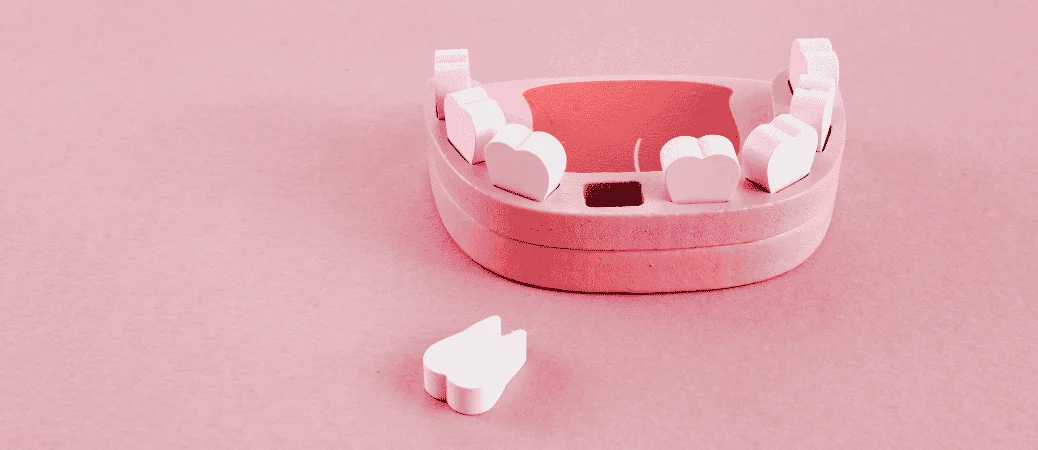
When you delay replacing a missing tooth, your jawbone begins to shrink due to lack of stimulation, nearby teeth start shifting into the gap, and your bite alignment can change significantly.
Problems from missing teeth can develop within just a few months and become harder and more expensive to fix over time.
This is why regular dental check-ups are so critical; they allow your dentist to catch these subtle changes early, often before you even notice them.
During a routine exam, your dentist can measure bone density, track tooth movement, and provide a clear timeline for when intervention is needed, preventing small issues from turning into major, costly procedures.
Understanding what happens when you wait can help you make better decisions about your oral health.
Whether you lost your tooth recently or years ago, knowing the risks of leaving that gap unfilled is important.
This guide will walk you through everything that happens in your mouth when a tooth goes missing and why taking action sooner rather than later protects your health and confidence.
Key Takeaways
- Delaying tooth replacement leads to bone loss, teeth shifting, and bite problems that worsen over time
- Replacing a missing front tooth within a few months prevents complications and keeps treatment simpler and more affordable
- Dental implants are often the best option because they preserve jawbone structure and function like natural teeth
Learn how long can you wait to replace a missing tooth and what happens when treatment is delayed.
Table of Content
- Immediate and Long-Term Effects on Your Oral Health
- Jawbone Health and Bone Loss Over Time
- How Tooth Loss Affects Surrounding Teeth and Bite
- Restoring Function and Aesthetics: Replacement Options
- Why Timely Tooth Replacement Matters for Your Well-Being
- Frequently Asked Questions
Immediate and Long-Term Effects on Your Oral Health
When you delay replacing a missing tooth, your mouth starts changing right away and continues shifting over months and years.
Your bite gets thrown off, your risk of gum disease increases, and everyday activities like eating and talking become harder.
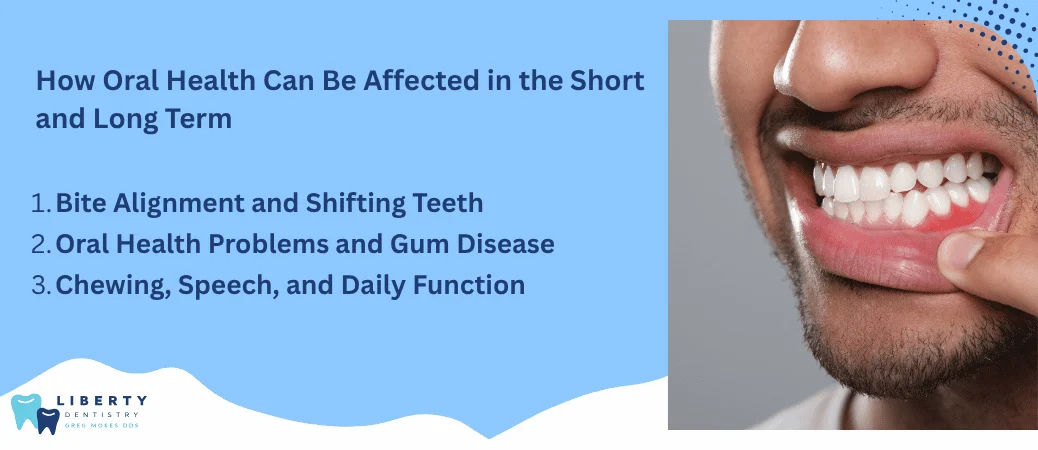
Bite Alignment and Shifting Teeth
Your teeth stay in place because they support each other. When you lose a tooth, the neighboring teeth start drifting into the empty space within weeks.
The teeth on either side of the gap tilt toward the opening. The tooth above or below the missing one can move up or down because it lost its chewing partner.
This creates bite misalignment that affects how your upper and lower teeth fit together.
Shifting teeth can change your bite and put uneven pressure on your remaining teeth when you chew. Your jaw might feel sore or uncomfortable.
Some people develop problems with their temporomandibular joint because their teeth no longer line up correctly.
Your jawbone also starts breaking down without stimulation from the tooth root. The bone can lose up to 25% of its width in the first year alone. This makes your remaining teeth less stable over time.
Oral Health Problems and Gum Disease
The gap from your missing tooth creates a perfect spot for food particles and bacteria to collect. Your toothbrush and floss can’t reach these areas as well as they should.
Bacteria that build up in the empty space spread to nearby teeth and gums. Your risk of gum disease goes up significantly because harmful bacteria have more places to hide.
Gum deterioration can lead to infections that damage your gum tissue and bone.
The teeth that shifted into awkward positions become harder to clean properly. This increases your chances of developing cavities in your healthy teeth.
You might need fillings or other treatments for teeth that were previously fine.
If gum disease spreads, you could lose additional teeth. This creates more gaps and makes oral health problems even worse.
Chewing, Speech, and Daily Function
You’ll notice problems with chewing almost immediately after losing a tooth. Hard foods like nuts and raw vegetables become difficult to eat.
You’ll probably start favoring one side of your mouth.
This puts extra wear on certain teeth and overworks your jaw muscles on that side. Your jaw might feel tired or sore after meals.
The gap also traps food constantly, and you’ll find yourself using your tongue to check the space.
Missing teeth affect how you pronounce certain sounds. Front teeth are especially important for making “s,” “th,” and “f” sounds clearly. You might develop a slight whistle or lisp when you talk.
Speech changes can hurt your confidence in social situations or at work. Many people start covering their mouth when they laugh or speak.
These daily challenges add up and affect your quality of life in ways that go beyond just oral health.
Schedule a consultation in Liberty, NC to review your tooth replacement options.
Jawbone Health and Bone Loss Over Time
Your jawbone begins to shrink within weeks of losing a tooth, and this process continues for years if left untreated.
You can lose up to 25% of bone width in the first year alone, and this affects everything from your facial structure to your ability to get dental implants later.
Bone Resorption and Its Timeline
Bone resorption starts almost immediately after tooth extraction. The most rapid bone loss happens in the first few months after you lose a tooth.
During the first three months, you lose 3-4mm of bone width on average. Some people lose as much as 5-6mm during this period.
By the end of your first year without the tooth, you’ve lost 5-7mm of width and 2-4mm of height. That’s roughly 25% of the original bone width in that area.
The bone loss slows down after the first year but doesn’t stop. You continue losing 1-2mm every 2-3 years. After 10 years without replacing the tooth, you’ve lost 40-60% of the original bone height.
Your body removes bone because it no longer receives the stimulation from chewing forces. Without that load-bearing stress, your body sees no reason to maintain the bone in that area.
Jawbone Density and Facial Appearance
Jawbone density loss changes how your face looks over time. Your jaw may appear narrower, and your facial height can decrease noticeably.
The bone supports your facial muscles and skin. When it shrinks, your cheeks may look sunken and your lips may appear thinner. These changes make you look older than you actually are.
Jawbone loss affects more than your smile. It changes the sensation of your bite and how you chew food. You might notice difficulty eating certain foods or speaking clearly.
If you wear dentures, bone loss causes them to fit poorly over time. The dentures rest on your gums and bone, so as the bone shrinks, the dentures become loose and uncomfortable.
You’ll need frequent adjustments or relines every 1-2 years.
Preventing Bone Loss with Timely Care
The best way to prevent bone loss is to replace your missing tooth quickly. Dental implants are the only option that truly preserves bone because they stimulate it like a natural tooth root would.
If you act within 1-2 months of losing a tooth, you can usually get an implant without needing additional procedures. Delaying tooth replacement means you may need a bone graft before an implant can be placed.
Bone grafting adds both time and cost to your treatment. The procedure costs $2,000-$5,000 on top of the implant cost, and you’ll wait 3-6 months for the graft to heal before getting the implant.
Talk to your dentist within two weeks of losing a tooth. This gives you the most options and the best chance at a simple, straightforward treatment.
Small delays can lead to bigger fixes that are more expensive and time-consuming down the road.
Contact our team to ask about replacing a missing tooth.
How Tooth Loss Affects Surrounding Teeth and Bite
When you lose a tooth, the empty space creates problems that go beyond just appearance. Your nearby teeth start to move out of position, and your bite can change in ways that put extra stress on your jaw joint.
Crowding and Gaps from Shifting Teeth
Your teeth naturally want to fill empty spaces in your mouth. When adjacent teeth begin to drift or tilt into the space left by a missing tooth, it creates a domino effect throughout your mouth.
The teeth next to the gap lean inward, while the tooth above or below the empty spot can start to grow down or up into that space.
This movement leads to crowding in some areas and gaps in others. Your once-straight teeth may become crooked or overlapped.
These shifting teeth make it harder to brush and floss properly, which increases your risk of cavities and gum disease.
The changes also affect your bite alignment. When teeth aren’t in their correct positions, they don’t meet together the way they should when you close your mouth.
You might need orthodontic treatment later to fix these issues, which could have been avoided by replacing the missing tooth early.
Bite Changes and Jaw Joint Strain
Bite misalignment from missing teeth creates uneven pressure when you chew. Some teeth end up doing more work than others, which wears them down faster.
Your jaw has to work harder to compensate for the missing tooth, and this extra effort can strain your temporomandibular joint (TMJ).
You might notice clicking or popping sounds when you open your mouth. Some people develop jaw discomfort or headaches from the constant tension.
The changes in how your upper and lower teeth fit together can even affect your facial muscles.
Over time, bite changes can contribute to TMJ disorders that cause chronic pain. The strain on your jaw joint may make it difficult to eat certain foods or open your mouth wide.
Replacing the missing tooth helps maintain proper bite alignment and reduces unnecessary stress on your jaw.
Restoring Function and Aesthetics: Replacement Options
Several effective methods can replace a missing tooth and bring back both your ability to chew and your confident smile.
Each option offers different benefits in terms of durability, appearance, and how they protect your remaining teeth and jawbone.
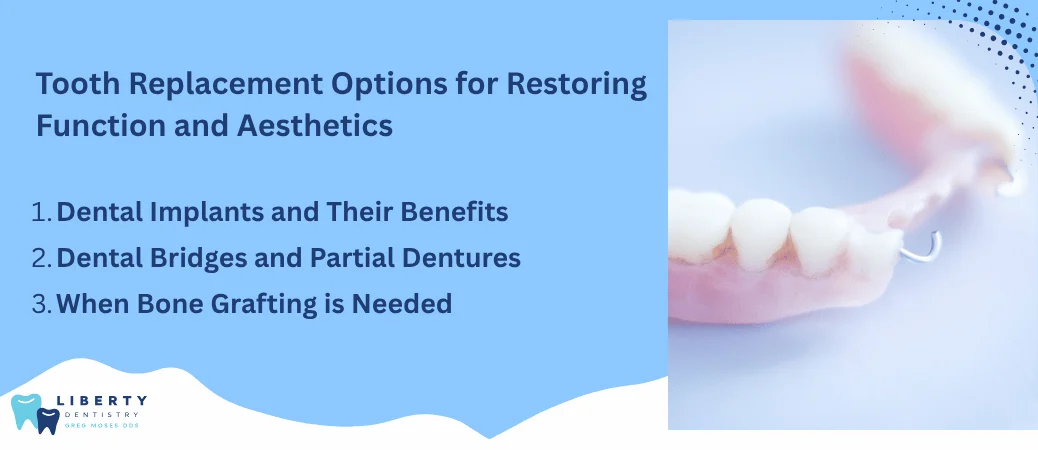
Dental Implants and Their Benefits
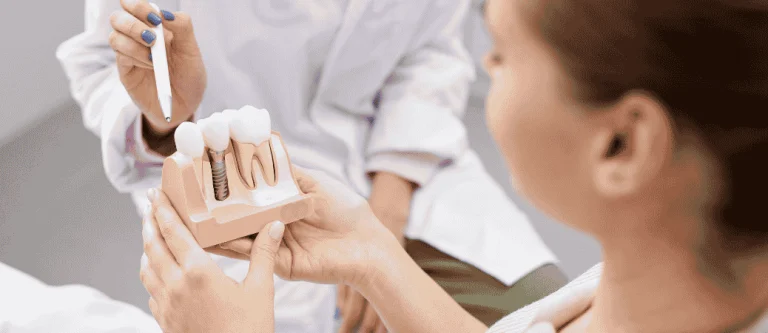
A dental implant is the most complete way to replace a missing tooth because it includes both a root and a crown.
The implant is a small titanium post that a dentist places into your jawbone where it fuses with the bone over time.
This process keeps your jawbone healthy and prevents the bone loss that happens when teeth are missing.
Dental implants look and work just like natural teeth. You can eat all your favorite foods without worry. They don’t require changes to your healthy teeth nearby, unlike other options.
Most implants last 20 years or longer with good care. They feel stable and comfortable because they become part of your jaw structure.
While dental implants cost more upfront than other choices, their durability and bone-preserving benefits make them a smart long-term investment to restore your smile.
Dental Bridges and Partial Dentures
A dental bridge attaches to the teeth on either side of the gap to fill the space. Your dentist shapes the neighboring teeth and places crowns on them to support the replacement tooth in the middle.
Dental bridges stay in your mouth permanently and restore function quickly.
A removable partial denture is a less expensive option that clips onto your remaining teeth. You can take it out for cleaning. Partial dentures work well when you’re missing several teeth in different areas.
Both dental bridges and partial dentures restore your ability to chew and speak normally. They improve your appearance right away.
However, neither option prevents bone loss in your jaw the way implants do. Bridges require altering healthy teeth, which some people want to avoid.
When Bone Grafting is Needed
If you wait too long to replace a missing tooth, your jawbone may shrink too much to support an implant. Bone grafting adds new bone material to rebuild the area before implant placement.
The grafting procedure takes several months to heal before you can get your implant. This adds time and cost to your treatment.
Your dentist takes bone material from another part of your body, uses donor bone, or uses synthetic materials.
Many patients who waited years can still get implants with modern grafting techniques. Acting sooner helps you avoid this extra step and expense.
Why Timely Tooth Replacement Matters for Your Well-Being
Missing teeth affect more than just your mouth. The gap in your smile can change how you feel about yourself and create health problems that reach beyond oral health.
Confidence and Self-Esteem Impacts

A missing tooth can make you think twice before smiling in photos or laughing at work. Many people start covering their mouth when they talk or avoid social situations altogether.
This change in behavior happens gradually, but it can affect your relationships and career opportunities.
The location of the missing tooth matters. A gap in the front of your mouth is more visible and may impact your self-esteem more than a back tooth.
But even teeth that don’t show when you smile can affect how you speak and eat, which can make you feel self-conscious in everyday situations.
People who delay tooth replacement often notice they feel less confident over time.
The consequences of missing teeth include changes to your facial structure as bone loss occurs, which can make you look older than you are.
Long-Term Health Considerations
The health effects of not replacing missing teeth go beyond your mouth. Difficulty chewing can force you to avoid certain foods, especially healthy options like raw vegetables and lean proteins.
This change in diet can affect your nutrition and overall health.
Missing teeth can lead to oral health problems including gum disease and tooth decay in surrounding teeth. The gap makes it harder to clean your teeth properly, which lets bacteria build up more easily.
Your jaw joints may also suffer. When you chew unevenly because of a missing tooth, you put extra stress on your temporomandibular joints. This can lead to jaw pain, headaches, and clicking sounds when you open your mouth.
Frequently Asked Questions
Missing teeth raise many questions about treatment timing and long-term oral health. Delaying replacement can lead to bone loss, shifting teeth, and bite problems that become harder to fix over time.
Is it okay to leave a missing tooth unreplaced?
Leaving a missing tooth unreplaced is generally not recommended. The only exception is wisdom teeth, which usually do not affect your bite or chewing function.
Almost any other missing tooth should be replaced. Even if you don’t feel pain or discomfort, problems can develop quietly beneath the surface.
Your jawbone needs stimulation from tooth roots to stay healthy. Without that pressure, the bone starts to break down. Nearby teeth can also drift into the empty space, which affects your bite alignment.
What problems can occur if a missing tooth isn’t replaced for a long time?
Several oral health problems can develop when you wait too long to replace a missing tooth. The most common issues include jawbone loss, shifting teeth, and bite misalignment.
Your jawbone begins to deteriorate due to lack of stimulation from the missing tooth root. This process is called bone resorption. The bone gradually shrinks in height and width.
Gum disease risk increases because the empty space can trap food and plaque more easily. Inflammation and bacterial buildup become more likely in these areas.
Chewing becomes less efficient. You may favor one side of your mouth, which places uneven pressure on your remaining teeth and jaw joints.
Can nearby teeth shift into the gap if a tooth is missing?
Yes, nearby teeth can shift into the gap left by a missing tooth. Teeth naturally support each other and maintain their positions in your dental arch.
When one tooth is lost, that balance disappears. Adjacent teeth may drift sideways toward the empty space. Opposing teeth can move upward or downward into the gap.
These movements happen gradually. You might not notice them at first, but over months and years, the changes to your bite often require orthodontic treatment to correct.
Shifted teeth create new spaces where food gets trapped. This increases your risk of decay and gum problems in areas that were previously healthy.
How can a missing tooth affect chewing and speech over time?
Each tooth plays a specific role in breaking down food. When a tooth is missing, your chewing efficiency decreases right away.
You may start favoring one side of your mouth while eating. This uneven chewing places extra stress on certain teeth and jaw muscles. Hard or crunchy foods become more difficult to chew comfortably.
Missing teeth can also affect how you speak. Teeth guide airflow during speech and help form certain sounds. Gaps can change your pronunciation of sounds like “S,” “F,” and “Th.”
Even small gaps can alter how air moves through your mouth when you talk. Some people develop a slight whistle or lisp depending on which tooth is missing.
Does waiting to replace a missing tooth cause jawbone loss?
Yes, waiting to replace a missing tooth causes jawbone loss. This process begins much sooner than most people expect.
The most rapid bone loss happens during the first three to six months after you lose a tooth. Your jawbone needs pressure from tooth roots to maintain its density. Without that stimulation, your body starts breaking down bone in that area.
Within the first year, you can lose a significant amount of bone volume. Delaying a dental implant can lead to bone loss that affects both the height and width of your jawbone.
Over several years, continued bone loss can change your facial structure. It can also make future tooth replacement more difficult. If too much bone is lost, you may need a bone graft before an implant can be placed.
How long can you safely wait before replacing a missing tooth becomes more complicated?
The timeline varies from person to person, but complications can begin within just a few months. The safest approach is to replace a missing tooth as soon as your dentist recommends it.
During the first three to six months, your jawbone experiences the most rapid changes. Bone loss accelerates during this period. Nearby teeth also start shifting fairly quickly once the support from the missing tooth is gone.
After the first year, treatment often becomes more complex. You may need additional procedures like bone grafting or orthodontic work before tooth replacement. These extra steps add time and cost to your treatment.
Early tooth replacement helps maintain the natural structure of your mouth. It reduces the need for more extensive dental care later.
If you’ve recently lost a tooth, scheduling a consultation soon gives you the most treatment options.