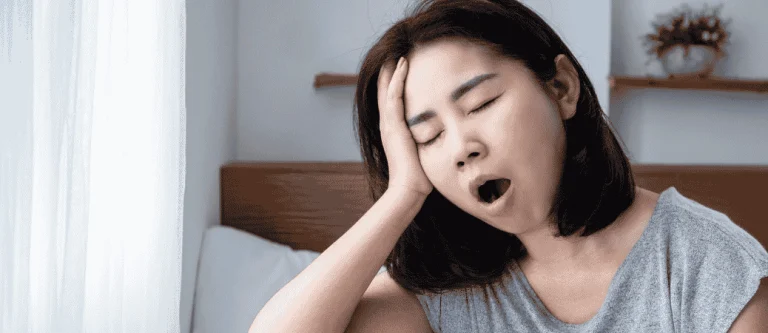


You expect your CPAP to control your obstructive sleep apnea and help you wake up rested. But if you still feel tired, irritable, or foggy, something is not right.
CPAP therapy only works when the pressure, mask, and airflow meet your needs.
If your CPAP is not reducing symptoms of OSA, causing ongoing discomfort, or creating new sleep problems, it may not be working well for you and it could be time to consider another option.
Ignoring these signs can leave your obstructive sleep apnea untreated, even if you use your continuous positive airway pressure machine every night.
You deserve treatment that helps you sleep better, not struggle more. Knowing the warning signs can help you decide whether to adjust your setup or explore a different approach.
Key Takeaways
- Ongoing symptoms may mean your therapy is not fully treating your sleep apnea.
- Mask fit, pressure settings, and airflow problems can reduce results.
- Other treatment options exist if your current setup does not work well.
Learn the CPAP alternative signs that may show your sleep apnea treatment needs a better fit.
Table of Content
- Recognizing Ongoing Symptoms Despite CPAP Use
- Common Equipment and Mask Problems
- Pressure Settings and Airflow Issues
- Nasal and Breathing Difficulties Affecting Therapy
- Maintenance, Usage Habits, and Lifestyle Factors
- Exploring Alternatives to CPAP Therapy
- Frequently Asked Questions
Recognizing Ongoing Symptoms Despite CPAP Use
You expect your CPAP to control sleep apnea and improve how you feel each day. If symptoms continue even with regular use and proper usage hours, your treatment may need review or adjustment.

Persistent Snoring and Breathing Pauses
If you still snore loudly while using your CPAP machine, pay attention. Steady air pressure should reduce or stop snoring in most people with obstructive sleep apnea.
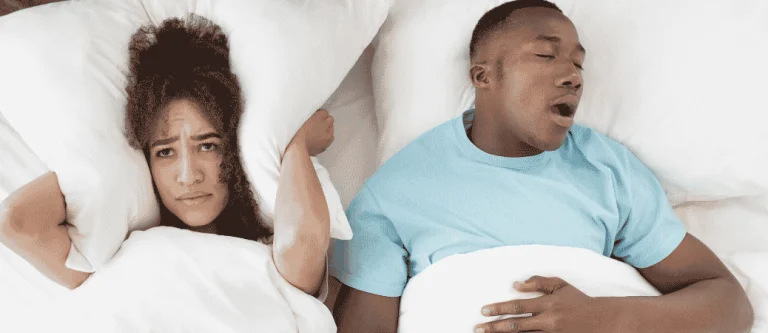
Ask your bed partner if they notice breathing pauses, gasping, or choking sounds during the night. These signs suggest your airway may still collapse despite therapy.
Common reasons include:
- Poor mask fit causing air leaks
- Incorrect pressure settings
- Mouth breathing with a nasal mask
- Weight changes that affect OSA severity
A leaky or poorly fitted mask can lower effective pressure and reduce oxygen levels. Review common signs your CPAP machine isn’t working correctly to compare your symptoms.
If snoring and apneas continue, schedule a visit with a sleep specialist. You may need a pressure adjustment, a different mask style, or an alternative to CPAP.
Daytime Sleepiness and Morning Headaches
One main goal of CPAP therapy is to reduce daytime sleepiness. If you still feel the need to nap often or struggle to stay alert while driving, treatment may not fully control your sleep apnea.
Morning headaches also raise concern. Repeated drops in oxygen levels during untreated or undertreated OSA can trigger headaches when you wake up.
Track your:
- Total usage hours per night (aim for full sleep time)
- AHI data if your device reports it
- How rested you feel each morning
If symptoms persist despite good usage hours, your pressure settings or mask type may need adjustment. In some cases, another therapy may work better for you.
Fatigue, Concentration Problems, and Mood Changes
Ongoing daytime fatigue often signals poor sleep quality, even if you use your CPAP every night. You may sleep for seven or eight hours but still wake up tired.
Sleep apnea that is not fully treated can affect focus and memory. You might notice trouble concentrating at work, forgetting simple tasks, or feeling mentally slow.
Mood changes also matter. Irritability, low motivation, or mild depression can appear when sleep stays disrupted.
Check for CPAP issues such as:
- Mask discomfort that wakes you
- Dry mouth or nasal congestion
- Noise that disturbs your sleep
If these problems interrupt your rest, your therapy may not deliver steady pressure all night.
A sleep specialist can review your data and help you decide whether to adjust your CPAP machine or consider another treatment option.
Schedule a consultation in Liberty, North Carolina to discuss sleep apnea treatment options.
Common Equipment and Mask Problems
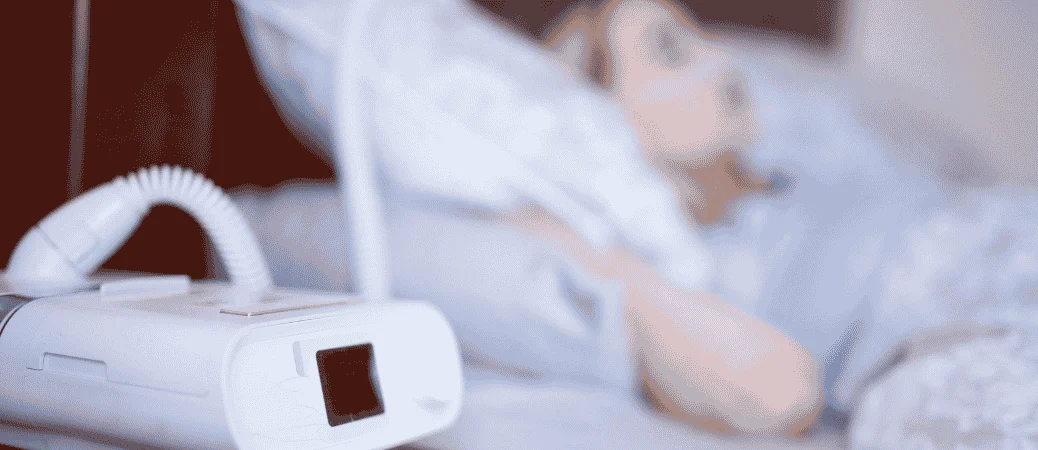
Many CPAP problems start with the mask or the machine itself. Small fit issues, air leaks, or worn parts can stop your therapy from working the way it should.
Mask Leaks and Poor Fit
Mask leaks are one of the most common reasons your CPAP machine is not working well. When air escapes around the edges of your CPAP mask, the machine cannot keep steady pressure in your airway.
You may notice dry eyes, a hissing sound, or higher leak numbers on your device report. Even a small mask leak can lower the treatment pressure enough to let apnea events return.
Check the mask cushion first. If it looks cracked, stiff, or flat, it may not seal well. Cushions wear out over time and need regular replacement.
You may also need a different mask style. A nasal mask works well if you breathe through your nose. A full face mask helps if you breathe through your mouth.
A nasal pillow mask with soft nasal pillows can feel lighter but may shift if you move a lot at night.
Discomfort: Dry Mouth, Dry Nose, Sore Throat, and Nosebleeds
Dry mouth and dry nose often signal air leaks or low humidity. If you wake up with a sore throat or nosebleeds, your airway may be drying out overnight.
First, check your humidifier settings. Most CPAP machines include a heated humidifier that adds moisture to the air. Raising the setting slightly can reduce dryness.
If you still feel dry, consider heated tubing. Heated tubing helps keep moisture in the air as it moves from the machine to your mask. This can lower the risk of dry nose and nosebleeds.
Mouth breathing also causes dry mouth. A full face mask may help if you use nasal masks but sleep with your mouth open. A chin strap can also reduce air loss.
Aging, Malfunctioning, or Noisy Machines
Your CPAP machine may lose performance as it ages. If you still snore, feel tired, or see rising apnea numbers, your machine may need service or replacement.
Unusual noise is another warning sign. Most modern devices run quietly. Rattling, whistling, or loud airflow may point to a blocked filter, loose hose, or internal problem.
Start with simple checks:
- Replace dirty air filters
- Inspect the hose for cracks
- Make sure the water chamber fits tightly
- Confirm your pressure settings have not changed
If your machine is over five years old and keeps malfunctioning, you may qualify for a replacement.
Ignoring equipment issues can lead to poor sleep and untreated apnea, even if you use your mask every night.
Contact our Liberty, North Carolina team to ask about alternatives to CPAP therapy.
Pressure Settings and Airflow Issues
If your CPAP machine does not deliver the right airflow, your treatment will not work as it should.
Pressure that is too low, too high, or hard to breathe against can lead to ongoing symptoms and new discomfort.
Incorrect Pressure Level or Inadequate Oxygen
Your CPAP therapy depends on the correct pressure setting. Continuous positive airway pressure keeps your airway open, but only if the level matches your needs.
If the pressure is too low, your airway can still collapse. You may keep snoring, wake up often, or feel tired during the day.
Some people think the machine is running, so it must be working, but low pressure can still allow apnea events.
If the pressure feels weaker than normal or the air seems colder and less humid, your device may not function well.
Never change settings on your own unless your sleep specialist tells you to. A proper pressure adjustment requires a review of your sleep study data, oxygen levels, and machine reports.
Trouble Exhaling, Aerophagia, and Stomach Bloating
You should breathe in and out without strain. If you struggle to exhale against the airflow, the pressure may be too high.
Many users report this early in treatment. The steady air from a CPAP machine can feel unnatural at first. Some devices offer pressure relief features that lower the air slightly when you breathe out.
A sleep specialist can enable this setting.
High pressure can also cause aerophagia, which means you swallow air. This can lead to:
- Stomach bloating
- Burping
- Gas and discomfort
If you often wake with a full or tight stomach, review common CPAP troubleshooting tips for aerophagia and pressure discomfort and discuss options with your provider. You may need a lower pressure, a different mask, or a bilevel device.
Adjusting to Pressure Changes
Even when your settings are correct, you may need time to adjust. A sudden blast of air can make it hard to fall asleep.
Many machines include a ramp feature. This setting starts at a lower pressure and slowly increases as you drift off. It helps your body adapt to continuous positive airway pressure without stress.
If you still feel like you are not getting enough air, check for simple problems first. Look for bent tubing, dirty filters, or mask leaks. These can reduce airflow and create more CPAP issues.
Do not ignore ongoing discomfort. When pressure changes do not improve your sleep or oxygen levels, ask your sleep specialist to review your therapy data and consider other treatment options.
Nasal and Breathing Difficulties Affecting Therapy
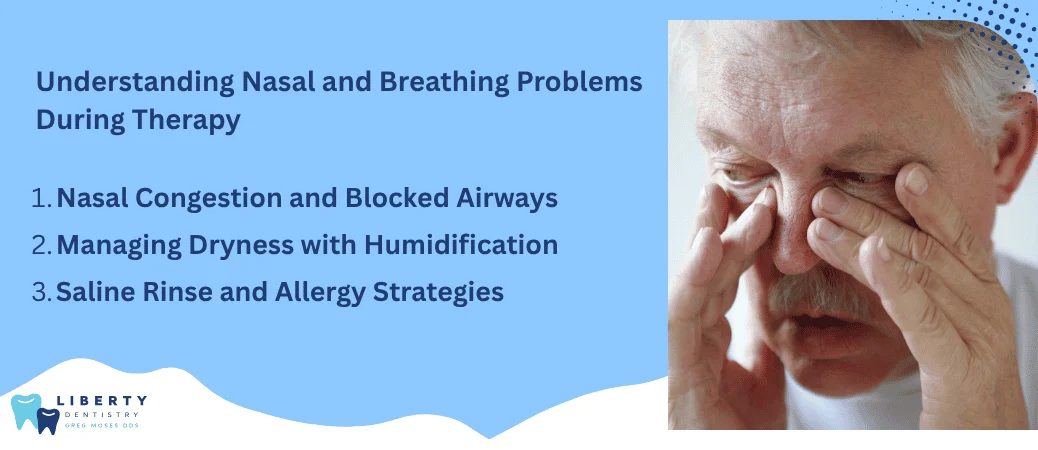
If you cannot breathe well through your nose, your cpap therapy will not work as it should. Simple steps like treating nasal congestion, adjusting humidity, and choosing the right mask can make a clear difference.
Nasal Congestion and Blocked Airways
Nasal congestion can stop cpap from doing its job. When your nose feels blocked, the air pressure cannot move smoothly through your airway.
You may notice:
- Ongoing stuffy nose
- Mouth breathing with a nasal mask
- Dry mouth in the morning
- Snoring even while using cpap
All of these signs can mean the pressure is not reaching your throat as planned.
Allergies, sinus infections, or a deviated septum can narrow your nasal passages. Even mild swelling can reduce airflow and make cpap therapy uncomfortable.
If you use a nasal mask or nasal pillow mask, you must breathe mostly through your nose. If that feels hard, ask your provider about switching to a full-face mask.
A full-face mask lets you breathe through your mouth and nose, which often helps when congestion will not clear.
Managing Dryness with Humidification
Dry air can irritate your nose and throat. Many people wake up with burning, crusting, or nosebleeds because the airflow feels too dry.
A heated humidifier adds moisture to the air from your cpap machine. This added moisture can:
- Reduce nasal irritation
- Lower the risk of nosebleeds
- Ease throat dryness
- Improve comfort with nasal pillows
If you already use a humidifier, check the setting. Too little moisture leads to dryness. Too much can cause a wet mask or “rainout” in the tubing.
Start at a middle setting and adjust slowly over several nights. Clean the humidifier chamber often and refill it with distilled water each night.
Small changes in humidity often improve comfort enough to keep you using your cpap therapy all night.
Saline Rinse and Allergy Strategies
A saline rinse can clear mucus and reduce swelling inside your nose. Many people use a rinse bottle or neti pot once or twice a day.
Saline works by:
- Flushing out irritants
- Loosening thick mucus
- Moistening dry tissue
If allergies cause your nasal congestion, take action early. Wash bedding weekly in hot water. Keep pets out of the bedroom. Use an air filter if needed.
Some people benefit from allergy medication or a nasal steroid spray. Talk with your doctor before starting new treatments.
If your symptoms do not improve, ask your sleep specialist to review your data and mask fit.
Maintenance, Usage Habits, and Lifestyle Factors
Small daily habits can affect how well your CPAP machine works. Cleaning, consistent usage hours, and your sleep environment all play a direct role in sleep quality and symptom control.
Replacing and Cleaning Components
A dirty or worn part can cause many common CPAP problems. If your cpap mask leaks or feels loose, check the mask cushion first. Cushions break down over time and lose their seal.
Replace cushions, filters, and tubing on a regular schedule. Most users need new cushions every few weeks and new filters every 1–3 months, depending on the type and your home air quality.
Follow basic CPAP machine troubleshooting steps if you notice odor, noise, or reduced airflow. Wash your mask daily with mild soap and water. Clean the humidifier chamber weekly to prevent buildup.
Also inspect the air filters. A clogged filter forces your cpap machine to work harder and may reduce airflow.
If your machine shows alerts like a motor warning, review signs of CPAP machine malfunction and contact your provider.
Proper Usage Hours and Compliance
Using your cpap machine for only part of the night limits its benefit. You need consistent usage hours, ideally every time you sleep, including naps.
Insurance companies often define compliance as at least 4 hours per night on most nights. However, many people need closer to 7–8 hours to control apnea events and improve sleep quality.
If you remove your cpap mask during the night, discomfort may be the cause. Address mask leaks, pressure issues, or dryness instead of skipping therapy.
A ramp feature or pressure adjustment may help if you struggle with airflow.
Track your data if your device allows it. Low usage hours or a high treated apnea index may signal that therapy needs adjustment.
Poor Sleep Hygiene or Environmental Issues
Even a well-functioning cpap machine cannot fix poor sleep habits. If you drink caffeine late in the day or use screens in bed, your sleep quality may still suffer.
Focus on simple sleep hygiene steps:
- Go to bed and wake up at the same time each day
- Keep your bedroom dark and cool
- Avoid alcohol before bed
- Limit phone or TV use in bed
Noise, pets, or an uncomfortable mattress can also interrupt sleep. If you blame the cpap machine but wake up often for other reasons, address those first.
Nasal congestion from allergies can block airflow and reduce comfort. A heated humidifier or saline spray may help. When you improve your habits and environment, you give your therapy a fair chance to work.
Exploring Alternatives to CPAP Therapy
If CPAP therapy leaves you tired, uncomfortable, or frustrated, you have other options. The right treatment depends on your OSA severity, your anatomy, and the results of your sleep study.
When to Consider Oral Appliance Therapy
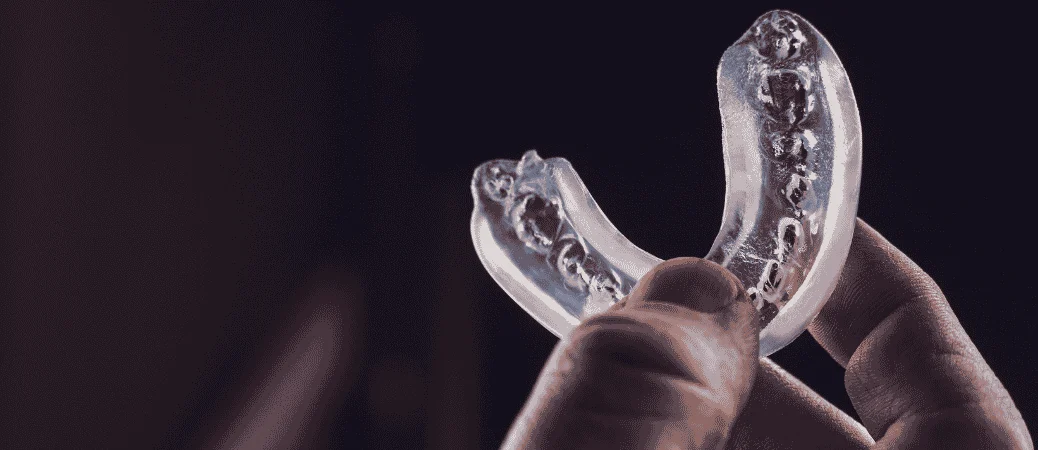
You may benefit from oral appliance therapy if you have mild to moderate OSA or cannot tolerate your CPAP mask. Dentists trained in sleep medicine fit these devices to your mouth.
Oral appliances sit over your teeth like a sports mouthguard. Most move your lower jaw forward to keep your airway open during sleep.
These are called mandibular advancement devices.
Many people prefer them because they are small, quiet, and easy to travel with.
You will need a custom device, not a store-bought guard. A sleep specialist and dentist should work together and track your progress with a follow-up sleep study to confirm the treatment works.
Other Treatment Options for Sleep Apnea
Some people need a different approach based on their symptoms and health history. Your sleep study results help guide this decision.
You might switch to another type of PAP device. BiPAP uses different pressure levels when you inhale and exhale, which can feel more natural.
APAP adjusts pressure throughout the night based on your breathing patterns.
If you want a non-mask option, doctors may suggest positional therapy, weight loss, or surgery. In some cases, nerve stimulation or jaw surgery can reduce airway collapse.
Lifestyle steps also matter. Losing weight, avoiding alcohol at night, and sleeping on your side can lower apnea events, but these steps rarely replace medical treatment for moderate to severe OSA.
Getting a Sleep Specialist’s Assessment
Before you change treatment, schedule a visit with a sleep specialist. Do not guess or switch devices on your own.
Your doctor will review your symptoms, CPAP data, and past sleep study results. They may order a repeat sleep study if your weight, health, or symptoms have changed.
Bring details about mask leaks, pressure discomfort, or dry mouth. Clear information helps your provider decide if you need a new mask, a different pressure setting, oral appliance therapy, or another treatment.
OSA can raise your risk for high blood pressure, heart disease, and daytime accidents. A specialist will focus on lowering those risks while helping you sleep better.
Frequently Asked Questions
Many CPAP problems show up as ongoing fatigue, mask leaks, noise, or discomfort at night.
Clear steps like checking your mask fit, reviewing your machine data, and talking with your sleep provider can help you decide what to do next.
Why am I still feeling tired even though I use my CPAP every night?
You may not be using the machine long enough. Experts recommend at least four hours per night, and ideally every time you sleep, including naps.
Mask leaks can also lower the pressure you receive. If air escapes around the seal, your airway may still collapse during sleep.
Check your AHI data on the machine display or app. If your AHI stays high or you still snore and wake up tired, review the data with your sleep provider to see if your pressure needs to change.
Other issues like weight gain, nasal blockage, or central sleep apnea can also reduce results. Your provider can test for these if symptoms continue.
What should I do if my CPAP stops working in the middle of the night?
First, check for a loose power cord or outlet problem. Make sure the machine is plugged in and the outlet works.
Look for error messages on the screen. If the machine makes loud or unusual noise, clean the air filter and tubing, since blockages can affect airflow.
If the machine shuts off often, contact your equipment provider. Most insurance plans allow a replacement every five years if the device fails.
Until you fix the issue, try to sleep on your side and avoid alcohol at night, since both can affect breathing.
What are the most common problems with ResMed CPAP machines, and how can I spot them?
ResMed machines face the same issues as other brands. The most common problems include mask leaks, dry nose, dry mouth, and discomfort from pressure.
You might notice air blowing into your eyes or hear a hissing sound. That often means the mask does not fit well.
Some users report noise or water buildup in the tubing when using a humidifier. If your machine feels louder than usual or shows warning symbols, contact your supplier for a check.
Regular cleaning of the filter, mask, and hose can prevent many of these problems.
What long-term side effects can happen with CPAP therapy?
Most side effects are mild and improve with adjustments. Common issues include nasal dryness, congestion, skin irritation, and dry mouth.
A poorly fitting mask can cause pressure sores on the bridge of your nose. Heated humidifiers and mask liners can reduce these problems.
Serious side effects are rare. If you develop frequent nosebleeds, chest discomfort, or worsening sleep quality, talk with your doctor right away.
How can I tell if I no longer need a CPAP machine?
You should not stop CPAP on your own. Obstructive sleep apnea often returns without treatment.
If you lose a significant amount of weight or have surgery that changes your airway, your doctor may order a repeat sleep study. That test shows whether your apnea has improved enough to lower or stop therapy.
If your machine data shows a low AHI but you feel worse without CPAP, you likely still need it. Always confirm with a sleep specialist before making changes.
How do I get comfortable sleeping with a CPAP for the first time, especially with nasal pillows?
Start by wearing the mask for short periods while you are awake. Turn the machine on and use the ramp feature so the pressure rises slowly as you relax.
Nasal pillows sit at the nostrils and feel lighter than full-face masks. They work well if you breathe through your nose and do not have severe congestion.
Adjust the straps so the pillows seal without pressing hard into your skin. If you feel soreness, try a different size.
Use a heated humidifier if your nose feels dry. Small changes in fit and pressure can make a big difference in comfort.