


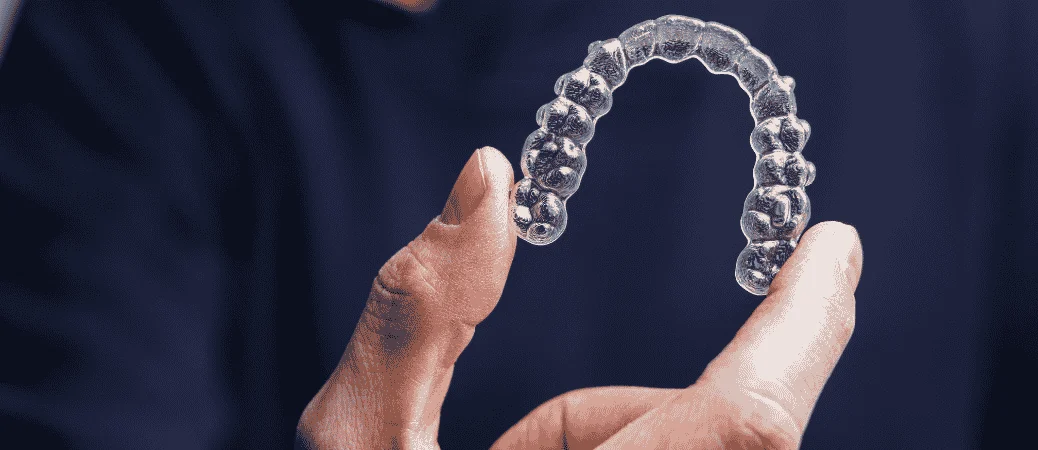
Is your SureSmile aligner not fitting on one side, even though the other side feels secure?
A visible gap, rocking tray, or plastic that repeatedly lifts away from your teeth may indicate a seating or tracking problem. However, an uneven fit does not automatically mean your treatment has failed.
During clear aligner treatment, teeth need to move in a planned sequence for each tray to fit properly.
If one side stops fitting, check the tray for damage or debris, avoid forcing it into position, and contact your provider if the gap persists.
Understanding the possible causes and safe next steps can help you protect your progress without making unnecessary changes to your treatment schedule.
Does a One-Sided Gap Mean Your Teeth Are Falling Behind?
A persistent one-sided gap may mean your teeth are falling behind the planned movement, though appearance alone cannot confirm the cause.
Your provider checks aligner fit alongside your tooth positions to assess aligner tracking.
Normal Tightness with New Aligners vs. Persistent Poor Fit
With new aligners, you may notice mild pressure or tenderness as your teeth adjust. Your tray should still settle over your teeth and remain in place without repeated force.
Tightness by itself gives you little information about whether each tooth is moving as planned.
Pay closer attention when your tray stays visibly lifted on one side or repeatedly slips off the same teeth.
If your fit remains uneven after gentle insertion, ask your provider to assess it. You do not need to wait for your next scheduled visit to report an ill-fitting aligner.
What Gaps, Rocking, and Back Teeth Popping Out Can Indicate
Your most useful clue is where the tray loses contact. A space above a tooth’s biting edge may reflect incomplete seating or a difference between that tooth’s position and the tray’s shape.
Your provider needs to examine the fit to distinguish those causes.
If pressing gently on one side makes the other side lift, describe that rocking motion when you call.
Also report whether your tray pops off your back teeth during speaking or stays raised immediately after insertion. You cannot judge the seriousness of a gap by its size alone.
Why Does One Side Stop Fitting?
Your one-sided fit problem may come from how the tray is seated, how your teeth are moving, or a change in the plastic or your dental work.
With ill-fitting aligners, you need the cause identified before your orthodontic treatment schedule changes.
Incomplete Seating, Missed Wear Time, or the Wrong Tray
Start with your tray sequence. If you accidentally select a later tray or mix upper and lower sets from different stages, your fit may change suddenly. Compare the tray markings with your packaging and prescribed schedule.
Think about whether you’ve been wearing your aligners for the prescribed number of hours each day. Leaving them out for extended periods may prevent your teeth from reaching the positions expected for the next tray.
Always share your actual wear schedule with the dental team. This information can help identify whether inconsistent wear contributed to the fit problem or whether another issue needs attention.
Slower Tooth Movement or a Missing Attachment
Your teeth do not all respond to treatment at the same speed. A tooth that needs a more difficult movement may fall behind even when you follow your wear instructions closely.
Your provider checks whether the current tray still matches your progress.
If you have attachments, check whether a tooth-colored bump looks different or has disappeared. Your aligner uses these bonded shapes to grip selected teeth and direct force.
A missing attachment deserves a call, even if your tray still feels secure elsewhere.
Warped Plastic, Tray Damage, or Recent Dental Work
Your tray may lose its shape after exposure to heat or develop a crack during handling. Inspect the side that lifts for a bent edge, split, or flattened area. Keep the tray away from hot water, and avoid trying to reshape it at home.
Tell your provider if you’ve recently had dental work, such as tooth-colored fillings or same-day crowns and bridges. Even a small change in a tooth’s shape can affect how a custom aligner fits.
Necessary dental treatment should not be postponed solely because you’re wearing aligners. Instead, let your aligner provider know about the restoration so they can determine whether the current tray still fits correctly.
What Can You Safely Check at Home?
You can safely verify your tray and try gentle seating, provided you stop if you feel sharp pain or meet resistance. Your home check should help explain the problem without altering the plastic or your treatment plan.
Confirm the Tray Number and Inspect for Debris or Damage
Wash your hands, remove the aligner, and compare its markings with the prescribed stage. Check both arches separately. If the label is hard to read, photograph it and ask your provider to confirm it.
Inspect the inside of the affected area in good light. Remove visible debris using the cleaning method recommended by your provider, then brush and floss before reinserting the aligner.
Food particles trapped between your teeth and the tray can interfere with proper seating.
Maintaining good oral hygiene, including following practical flossing tips and tricks, can help keep your teeth clean throughout aligner treatment.
Try Gentle Seating and Provider-Approved Chewies
Reinsert your tray using the technique your dental team demonstrated. Apply gentle, even finger pressure and watch whether the lifted side settles. Avoid biting hard to snap an unseated tray into place.
If your provider has approved aligner chewies, follow your specific instructions for their use. Chewies help press a tray into position, but they cannot repair warped plastic or correct every tracking problem.
Stop if using them causes sharp pain, increases the rocking, or stresses a damaged area.
Document the Gap Without Changing Your Tray Schedule
Take clear photos with your aligner in place, including a close view of the affected side. A short video is helpful if your tray rocks or pops off. Record the tray number and when you first noticed the change.
Keep your prescribed schedule unchanged while you request advice. If your next change date arrives before you receive instructions, contact the office before advancing.
If your current tray will not seat comfortably, ask what to wear while you wait.
When Should You Contact Your Dentist?
Contact your dentist or orthodontist when your gap persists after basic checks, or as soon as your tray will not seat comfortably. Your SureSmile treatment is doctor-directed, with regular check-ins to assess your progress.
Report Persistent Gaps, Lost Attachments, or Trays That Will Not Seat

Call when the same side keeps lifting despite correct, gentle insertion. Report a lost attachment or visible tray damage promptly as well.
You do not need to prove that your teeth are behind before asking for help with clear aligner treatment.
When contacting Liberty Dentistry, include your tray number, photos, and whether the problem began after a tray change.
Mention pain and recent dental work. Bring your current trays and the previous set if your team requests them.
Seek Prompt Care for Severe Pain, Swelling, or Injury
Severe or worsening pain, swelling, fever, or an injury to your teeth or gums requires prompt professional attention. These symptoms may indicate a problem beyond ordinary aligner tightness.
If your tray is causing significant discomfort or you have injured your mouth, ask your dental team whether you need emergency dentistry rather than waiting for your next routine appointment.
Avoid forcing the tray over a painful or swollen area until your provider gives you instructions. If a damaged aligner has a sharp edge that cuts your mouth, stop trying to seat it and contact your dental team for guidance.
If you experience difficulty breathing or swallowing, seek emergency dental care immediately.
How Your Provider May Adjust Wear Time, Replace Trays, or Plan Refinements
Your provider chooses an adjustment after checking your teeth and trays. If your current tray remains appropriate, you might receive instructions to wear it longer.
A damaged tray calls for a different response, such as arranging a replacement.
If your teeth are not tracking according to the original treatment plan, your provider may recommend a new digital scan and refinement trays.
Modern dental scanning technology helps capture the current position of your teeth so your provider can determine whether changes to the treatment sequence are necessary.
Your dentist will explain which tray to wear and when to change it if your treatment plan needs adjustment.
Regular dental exams and cleanings also provide opportunities to monitor your oral health throughout clear aligner treatment.
Protect Your Progress by Addressing Fit Problems Early
A SureSmile aligner that lifts on one side does not always mean your treatment is falling behind.
The problem may involve incomplete seating, tray damage, a missing attachment, or teeth that are not moving according to the planned sequence.
Check the tray number, inspect it for visible damage, and use only the seating techniques recommended by your dental provider. Avoid forcing an uncomfortable tray or advancing to the next set without professional guidance.
At Liberty Dentistry in Liberty, NC, Dr. Greg Moses and the dental team can evaluate your aligner fit and help determine the appropriate next steps.
If your aligner continues lifting or feels uncomfortable, contact our team with photos of the affected side and your current tray number.
An early fit assessment can help prevent a minor problem from disrupting your treatment progress.
Frequently Asked Questions
Your safest response to an ill-fitting aligner is to ask your provider for tray-specific instructions. Keep your SureSmile aligners available so your orthodontist or dentist can compare the fit.
Why is my SureSmile aligner loose on one side but tight on the other?
Your uneven fit may reflect incomplete seating, different tooth movement on each side, or tray damage. Tell your provider whether the loose side stays lifted or pops up when you gently seat the tight side.
What if my SureSmile aligner does not fit over just one tooth?
You should report a tray that will not seat over one tooth, especially if the fit has changed suddenly.
Check for trapped debris and mention any missing attachment or recent dental work when you contact your provider.
Can I move to the next SureSmile tray if one side still has a gap?
You should get your provider’s approval before moving to the next tray when a gap persists. Your next tray assumes a planned starting position, so advancing without a fit check risks increasing the mismatch.
Should I wear my previous SureSmile tray if the current one will not fit?
Wear your previous tray only if your provider instructs you to do so. Keep it available and ask which tray to use while your current fit problem is assessed.
Can a missing attachment cause my SureSmile aligner to lift on one side?
Yes, a missing attachment can reduce your tray’s grip or affect movement on that side. Contact your provider to check whether it needs replacement, and leave your wear schedule unchanged until you receive instructions.